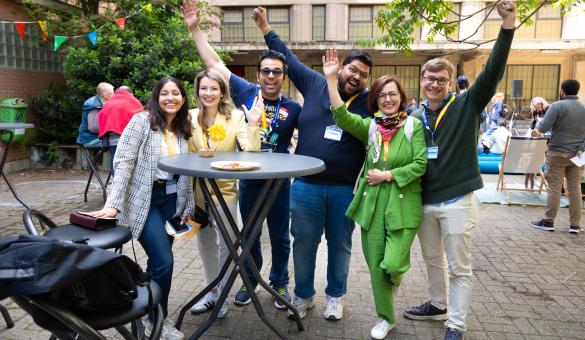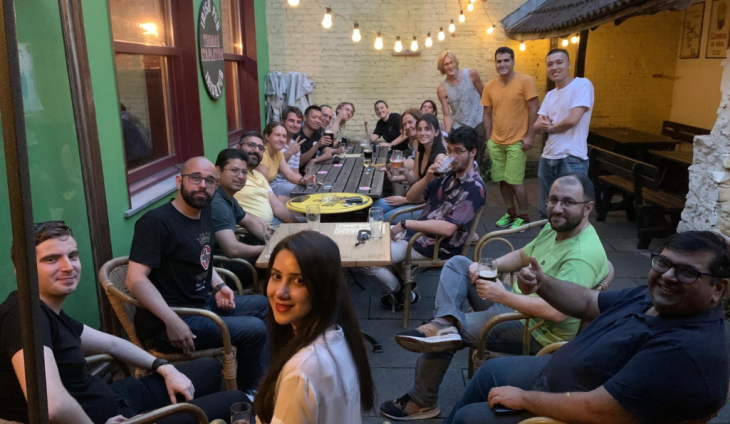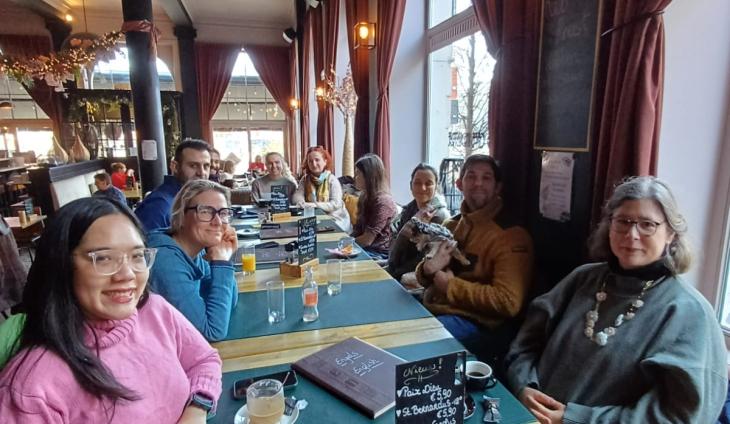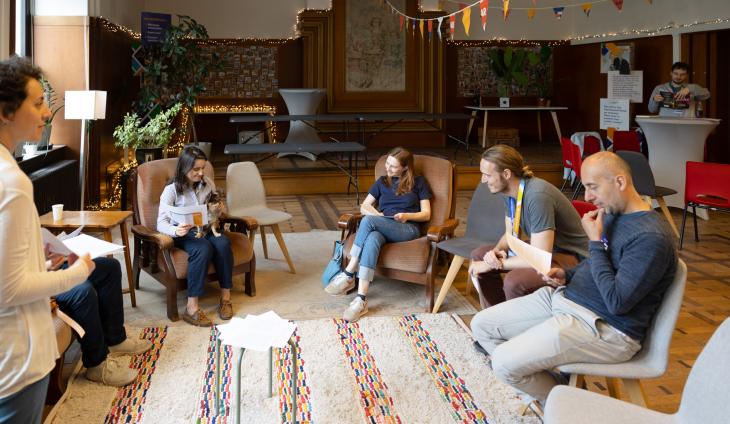

Recently, a group of internationals came together at a Mental Health Meetup at IHL to talk openly about what it’s really like to navigate a relationship abroad. The conversation was guided by psychologists Larissa Ernst and Jane Abi Atmeh from Satori Health, but the experiences shared were familiar to many people in the room.
One thing became clear early on: most of us were never taught how to communicate well in close relationships. What we often see – in media, politics, or even our own families – leans more towards power, control, or conflict than vulnerability and empathy. When those patterns show up in a relationship, especially under the pressure of international life, things can quickly become complicated.
What helps relationships, and what gets in the way
When people talk about what makes relationships work, love is often assumed to be the answer. But when international couples were asked this question, other themes came up first: communication, trust, respect, understanding, acceptance, stability, and the balance between being yourself and being part of a couple.
The group put forward big complicated topics that are at the heart of a successful relationship, but things that make connections harder felt more tangible: stress, assumptions, not feeling heard, mental health struggles, money worries, lack of time for oneself, and the need to be right for example.
Balancing your own needs, your partner’s needs, and the needs of the relationship is already complex. Add children, extended family expectations, living far away, lacking a support system, and practical pressures, and it becomes even more challenging.
Much of what we say is shaped not just by the words we use, but by how they are said and how they are interpreted. Even couples who share a language may mean very different things by the same words.
When people try to define ideas like trust or respect more clearly, it quickly becomes obvious how personal and layered they are. This is why communication sits at the heart of so many relationship challenges - and why love is increasingly described not just as a feeling, but as something you actively practise through everyday behaviour.
Why international life adds extra pressure
For international couples in Leuven, everyday relationship challenges often come with extra weight. Living abroad can mean missing family support, long-standing friendships, and a sense of belonging that once felt effortless. Building a new community takes time, and until it’s in place, couples often rely heavily on each other.
Language plays a big role too. When one partner speaks the local language and the other doesn’t, everyday tasks (paperwork, schools, healthcare, administration) can fall unevenly on one person. This can quietly shift power dynamics and increase stress. Different speeds of integration can also create distance, with one partner feeling settled while the other still feels like an outsider.
Cultural differences don’t just exist outside the relationship; they can show up inside it too. Expectations around communication styles, family involvement, gender roles, or pace of life may differ; and these differences often surface when pressure is already high.
Career paths can become unbalanced as well, particularly when work permits, recognition of qualifications, or local networks limit one partner more than the other.
When couples move abroad together (or meet abroad) they often become each other’s main source of connection. You might be partner, friend, confidant, and support system all at once. That closeness can be comforting, but it can also feel suffocating over time. One insight from the discussion captured it well: relationships need space and independence to thrive – you need oxygen to keep a fire burning.
Rethinking common relationship myths
Some familiar assumptions can add extra tension, in any relationship:
- “I know what I need — I need you to [do the dishes.]”
Often the real need underneath is feeling supported or seen, not the task itself.
- “I know you and what you need.”
The longer we’re with someone, the more we assume we fully understand them. But people change, particularly when living abroad, and those changes can be easy to miss.
- “If you loved me, you’d anticipate my needs.”
Many of us struggle to name our own needs, and they evolve over time. Expecting a partner to intuit them can lead to frustration on both sides.
Small shifts that make a difference
What are some of the things international couples can focus on?
- Building a local community reduces pressure on the relationship and helps you rediscover yourself as an individual.
- Maintaining ties to home helps preserve a sense of continuity and identity, even through sharing a favourite meal from home with a new friend.
- Removing recurring sources of conflict can create space for connection. Think about outsourcing cleaning, babysitting, or automating bill payments for example.
- Showing appreciation matters more than we realise: strong relationships tend to include 5x more positive interactions than negative ones!
Many people left with simple intentions: to be more curious, to ask better questions, to notice patterns in their communication, and to look beneath recurring conflicts to understand what emotions are really driving them.
You’re not the only ones figuring this out
There is no shortage of books, podcasts, and research on relationships. What stood out in this conversation, though, was something more basic: the relief of realising you’re not alone.
Living as an international couple can put strain on even the strongest relationships. Communication becomes more important, pressure builds faster, and unresolved issues tend to surface sooner. But addressing things early, talking openly, and recognising the unique challenges of international life can make a meaningful difference for anyone building a life together far from home.
Further resources
There is no shortage of excellent material on relationships. A few resources shared by the group include:
- the Gottman Institute’s Four Horsemen (and their antidotes),
- Brené Brown’s work on vulnerability,
- Esther Perel’s podcast Where Should We Begin, and
- Erin Meyer’s The Culture Map.
If you’re navigating a relationship as an international couple, you are not alone. Living abroad adds pressure, and communication matters deeply. Addressing challenges early can make all the difference.
For tailored support, look out for couples therapists to help you navigate your challenges.
You May Also Like